

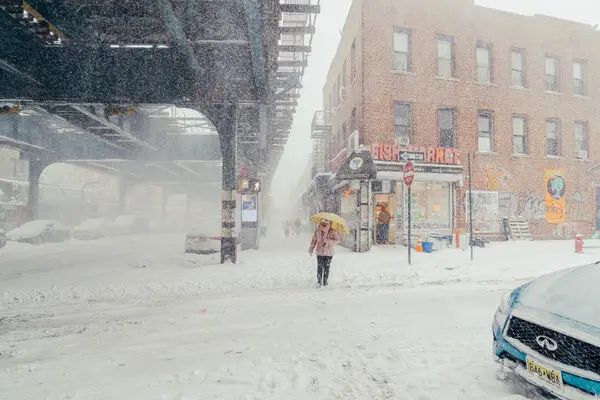
SAINT LOUIS, MO — A massive winter storm has left 60 million Americans under winter weather alerts this weekend, with temperatures dropping to -20°F in the Midwest and wind chills reaching -40°F. At least 12 deaths have been reported since Friday.
For African immigrants a population that grew 246% between 2000 and 2019 according to Pew Research Center this storm presents dangers many don’t recognize.
“Many people from tropical climates don’t understand that extreme cold can kill you in minutes,” said Dr. Amanda Richardson, an emergency physician at Barnes-Jewish Hospital.
The CDC reports approximately 1,330 Americans die from cold exposure annually, with immigrants disproportionately affected.
What To Do Right Now
Stay Inside: Over 3,000 flights have been canceled and hundreds of accidents reported across affected states. Road conditions remain treacherous with black ice and reduced visibility. Avoid all unnecessary travel. If you must go out, tell someone your route and expected arrival time.
Dress In Layers: The three-layer rule is critical for survival. Start with a moisture-wicking base layer directly on your skin—synthetic fabrics or merino wool work best. Add an insulating middle layer like fleece or wool sweater to trap body heat. Finish with a waterproof, windproof outer shell. Never wear cotton—it retains moisture and pulls heat away from your body.
Extremities freeze first. Wear insulated, waterproof gloves (mittens are warmer than gloves), thick wool or synthetic socks, a hat that covers your ears, and a scarf or mask to protect your face. At current temperatures, exposed skin can develop frostbite in under 10 minutes. If your fingers or toes start to tingle or go numb, get inside immediately.

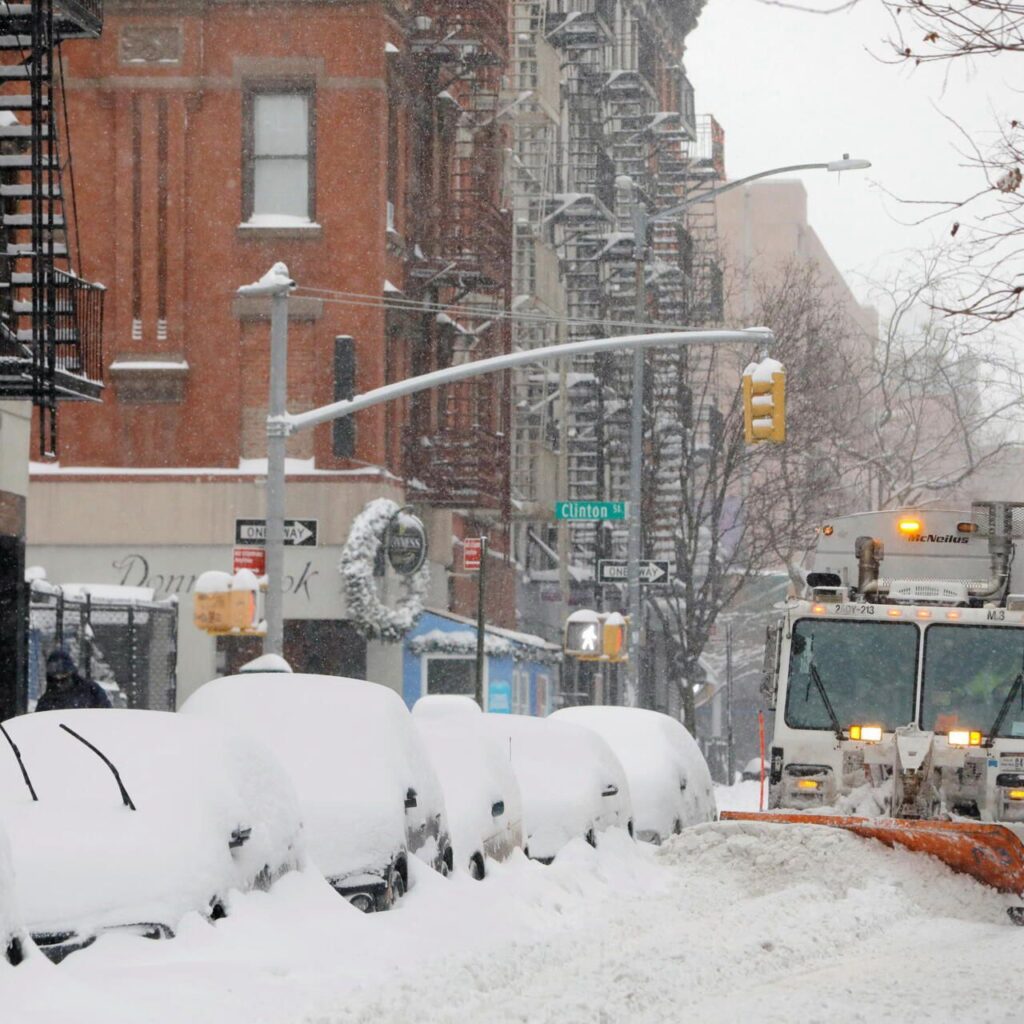
Know Warning Signs: Hypothermia begins with uncontrollable shivering but progresses to confusion, fumbling hands, memory loss, and slurred speech. In severe cases, shivering actually stops—a dangerous sign. Frostbite makes skin appear white, grayish-yellow, or waxy, and the affected area feels unusually firm or numb. Both conditions are medical emergencies. Call 911 immediately if you suspect either. Don’t try to rewarm frostbitten areas yourself—this can cause severe tissue damage.
Heat Safely: With heating bills up 28% this winter according to the U.S. Energy Information Administration, many families are struggling. But desperation can be deadly. Never use gas stoves, ovens, or grills indoors to heat your home—carbon monoxide is an invisible, odorless killer. Space heaters cause over 1,700 fires annually and should be kept at least three feet from anything flammable, turned off when you sleep, and never left unattended.
Safe ways to stay warm on a budget: Close doors to unused rooms and focus heat in spaces you’re using. Use rolled towels or draft stoppers under doors to prevent heat loss. Open curtains on south-facing windows during daylight hours to let sun warm your home naturally, then close them at night. Wear multiple layers indoors—thermal underwear, sweatpants over pants, multiple shirts. Gather your family in one room to share body heat. Drink warm liquids and eat regularly—your body needs fuel to generate heat.
If you cannot afford heating, there is help for you. The Low Income Home Energy Assistance Program (LIHEAP) provides emergency assistance. Many utility companies cannot disconnect service during the winter months and offer payment plans.
The African Community Center in Minneapolis has distributed over 500 winter coats this season. Similar programs operate nationwide—search “free winter coats” plus your city name.
The storm continues through Tuesday, with more winter weather expected in February. Emergency officials stress: this weather kills. Ask for help. Your life matters.
Get Help
- Heating bills too high? Low Income Home Energy Assistance Program (LIHEAP): 1-866-674-6327
- Need winter gear? Call 211 for warming centers and free coat programs
- Emergency? 911
- Updates: weather.gov
Written by : Dzifa Makafui


