


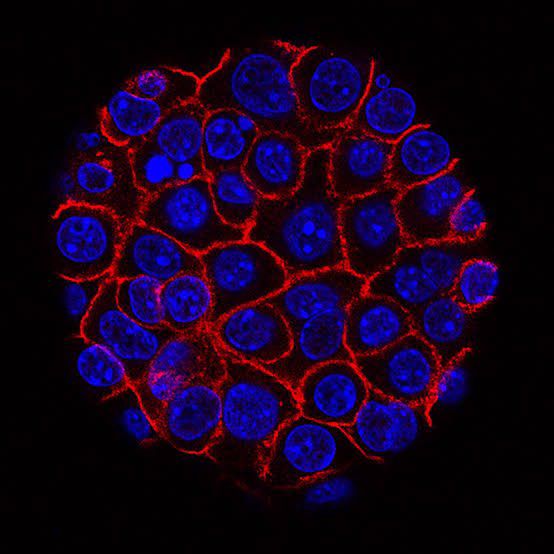
MADRID, SPAIN — Scientists at the Spanish Cancer Research Centre have announced a major breakthrough in the fight against pancreatic cancer, successfully making tumors disappear completely and permanently in experimental mouse models using a powerful new drug combination.
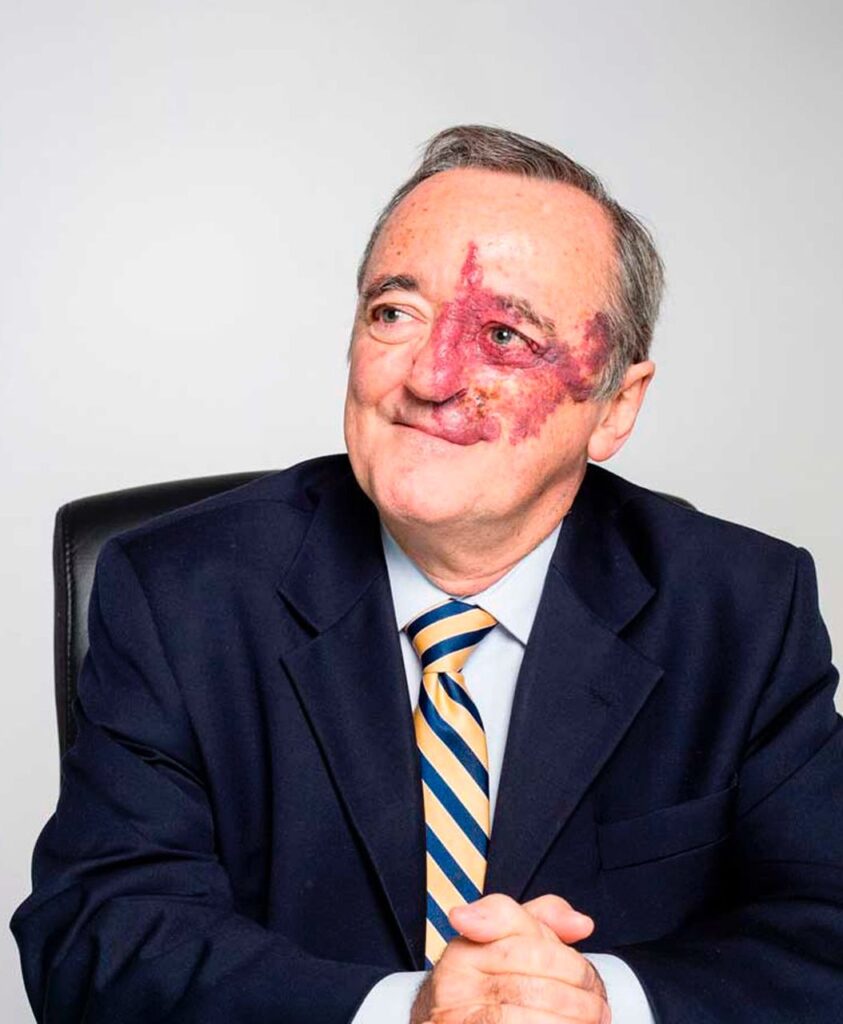
The research team, led by renowned cancer biologist Mariano Barbacid, has demonstrated what many considered nearly impossible: the total elimination of pancreatic tumors, one of the deadliest and most treatment-resistant cancers affecting humans.
Pancreatic ductal adenocarcinoma, often called a “silent killer,” is diagnosed late, spreads quickly, and resists most existing treatments. The five-year survival rate is approximately 12%. The disease claims approximately 50,000 lives annually in the United States and over 460,000 worldwide.
Early-stage pancreatic cancer rarely causes symptoms. By the time patients notice abdominal pain, jaundice, or unexplained weight loss, the cancer has often already spread. Only 15-20% of patients are eligible for surgery at diagnosis.
The breakthrough centers on a gene called KRAS, which drives 90-95% of pancreatic cancers. The KRAS gene produces a protein that acts like a cellular “on-off switch” controlling cell growth. When mutated, it gets stuck “on,” continuously signaling cells to grow uncontrollably, creating tumors.
For decades, scientists considered mutant KRAS impossible to target with drugs—the “holy grail” of cancer drug development that no one could figure out how to reach.
Barbacid’s team used a combination approach with new-generation drugs that block the mutant KRAS protein along with complementary agents that attack the tumor through different mechanisms, preventing cancer cells from finding alternative survival pathways.
Significant steps remain before this treatment reaches patients. The drug combination must be tested in humans through multiple phases of clinical trials, a process that typically takes 5-10 years.
What works in mice doesn’t always work in humans, and powerful drug combinations may cause severe side effects. If approved, new targeted cancer therapies often cost $100,000-$200,000 or more per year.
Doctors emphasize patients should not wait for this treatment but should continue with currently available treatments and ask about clinical trials. Risk factors include smoking (20-30% of cases), obesity, chronic pancreatitis, family history, diabetes, and age over 65.
“We’re not declaring victory yet,” Barbacid stated. “But after decades of frustration fighting this disease, we finally have reason for genuine hope. The question is no longer if we can beat pancreatic cancer—it’s when.”
For the 465,000 people diagnosed annually worldwide, that shift from “if” to “when” represents a profound change in prospects.
Written by Dzifa Makafui