

When you step out of your house today, you will likely see people dressed in jeans, t-shirts, suits, and dresses, many of which are imported from Western countries.
These clothes, while trendy and affordable, carry a hidden cost for our environment.
Many of these clothes are discarded after just a few uses, ending up in dumping sites, and gutters.
The dominance of Western-style clothing on our streets is not just a cultural influence, it is an environmental burden.
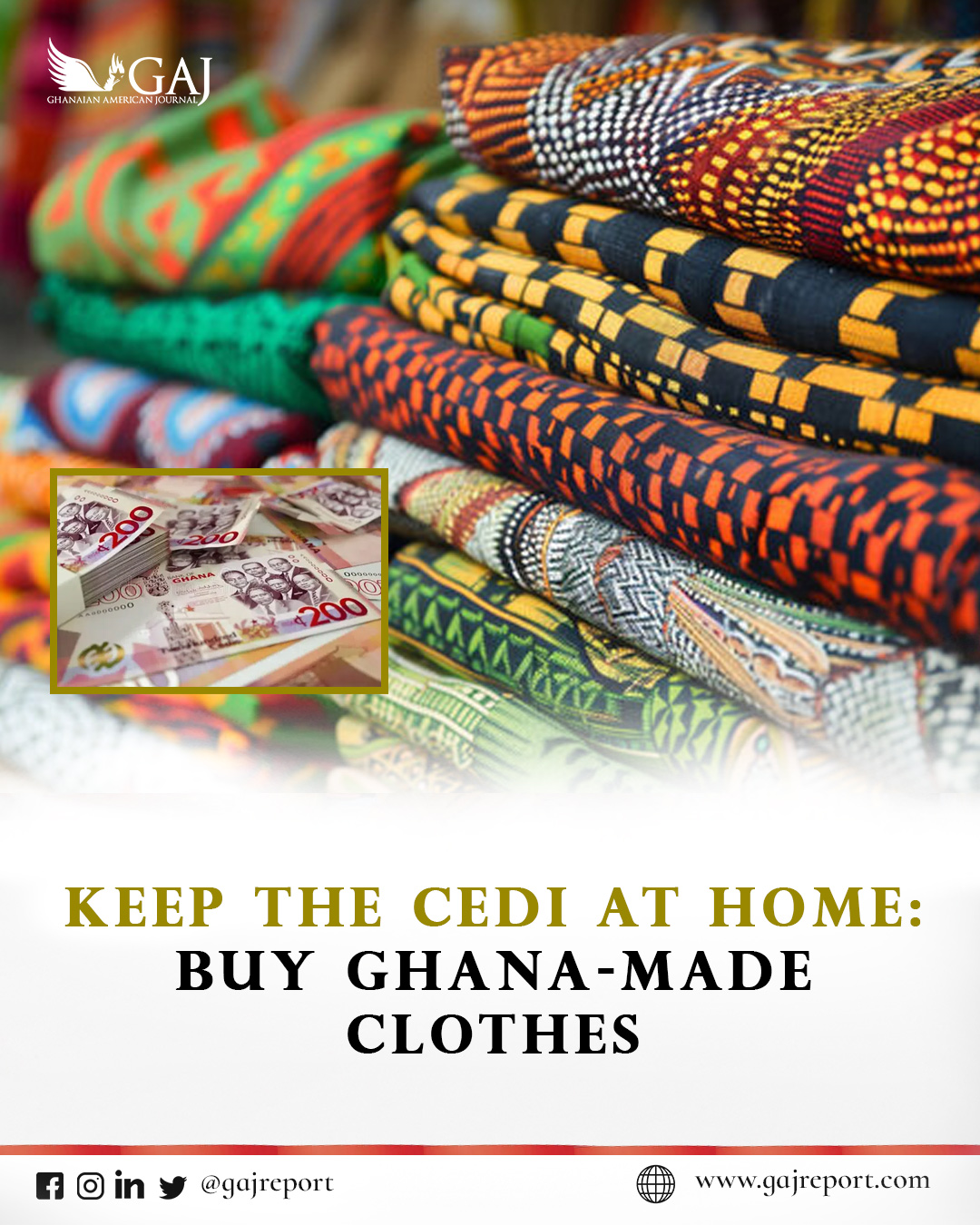
But Ghana also has vibrant fabrics and rich clothing like Ankara, kente, batakari, fugu, smocks and yet, they are mostly reserved for special occasions or festivals.
This Ghana Month, it is worth asking: what if we brought our heritage into everyday life?
What if more Ghanaians chose to wear local clothes, not just on Independence Day or family events, but every day?
The impact is not just cultural, it is economic.
The Fugu Moment
Earlier this year when President John Mahama wore a fugu on his state visit to Zambia, that moment went viral.
Some Zambian netizens made fun of the outfit, not knowing its history.
But the reaction quickly flipped, people rallied behind the fugu, proud of its story and craftsmanship.
Suddenly, Ghanaians were celebrating “Fugu Day” Wednesdays, tailors were selling out of smocks, and designers started reimagining the fugu in jackets and casual wear.
Who knew one garment could spark a movement of cultural pride, creativity, and economic activity all at once?
Why Buying Local Matters
A lot of what we wear in Ghana is not even made here.
Clothing floods in from China, India, and other countries, often cheaper and easier to get.
Convenient? Sure, but every time we buy imported clothes, money leaves Ghana, money that could have supported local tailors, weavers, dyers, and small business owners.
When we buy Ghana-made clothes instead, we strengthen local industries.
Tailors expand, weavers produce more, and everyone from cotton farmers to marketers benefits.
That is a circle of prosperity that starts with a single choice, what we put on our backs.
Jobs, and More Jobs
Local fashion is more than fabric and thread.
Jobs for youth, women, and artisans. Every fugu smock, every hand-woven kente piece, every locally sewn dress adds to household incomes and fuels the economy.
After the Fugu trend, some traders reported selling out.
That is a direct example of how cultural pride translates into real earnings for Ghanaian hands and homes.
Creativity and Innovation
When people support local fashion, designers get brave.
They experiment. They blend traditional textiles with modern silhouettes, creating streetwear, casual wear, even high-fashion pieces with a Ghanaian flair.
This is not just about looking good; it is building a creative industry that can compete regionally and globally.
Ghana has talent for days and our clothes can tell our story to the world if given the chance.
Cutting Back on Imports
Ghana spends millions on imported clothing every year.
By choosing local, we keep that money here.
Local factories get stronger, supply chains grow, and the Ghana cedi gets a boost.
Every piece of locally made clothing is a small investment in Ghana’s economic independence.
Challenges and How We Can Help
Imported clothing is cheap, widely available, and sometimes seen as “fancier.”
Local producers face supply challenges, production limits, and marketing gaps. But that is exactly where government support, private investment, and conscious consumer choices can make a difference.
Every Ghanaian who chooses a local garment becomes part of the solution.
Let’s Make This Ghana Month Count.
So this Ghana Month, let’s do more than celebrate in words, let’s wear our pride, support our people, and invest in our economy.


