


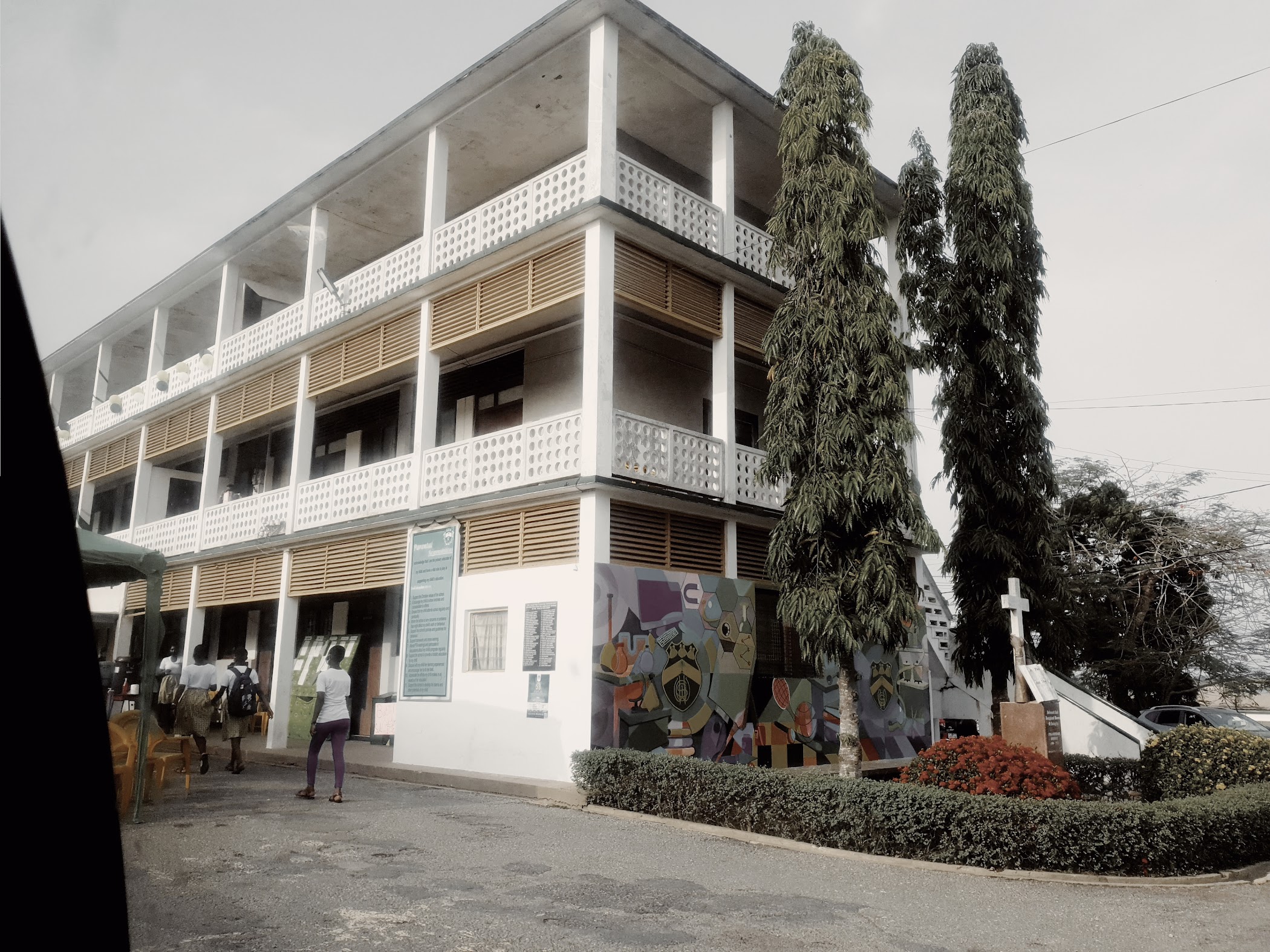
Some of Ghana’s oldest schools have histories stretching back more than a century. Founded mainly through Christian missionary efforts during the colonial period, they played an important role in the development of formal education in the country.
Wesley Girls’ High School in Cape Coast traces its origins to 8 February 1836, when Harriet Wrigley, wife of Methodist missionary Rev. Thomas Birch Freeman, established a school for girls. At a time when educational opportunities for girls were limited, the school became an important part of the history of female education in Ghana.
Mfantsipim School also has a long and influential history. Its origins date to 3 April 1876, when the Methodist Church established the Wesleyan High School in Cape Coast. The school began with 17 students, and its first headmaster was James Picot, who was only 18.
In 1905, John Mensah Sarbah established a school named Mfantsipim, and the institutions later merged under the Methodist Church, retaining the name Mfantsipim.
Another landmark institution, Achimota School, was established in 1927 as the Prince of Wales College. Unlike the earlier mission schools, it was a major colonial-government project and became Ghana’s first major co-educational secondary institution.
Education was not available to everyone during the colonial period. Access was limited, especially in rural communities, while many families faced barriers to formal schooling.
Despite these challenges, the early schools became influential beyond the classroom. Their students went on to become teachers, lawyers, politicians, scientists and other professionals who contributed to Ghana’s political, religious and social development.
After independence in 1957, Ghana expanded its education system significantly, establishing more schools and widening access across the country.
Some of Ghana’s oldest schools continue to preserve their traditions while adapting to a changing education system.
Their history is an important part of Ghana’s journey from the colonial era to independence and national development.